
When Low Mood Has a Dosha
Understanding Depression Through Ayurveda
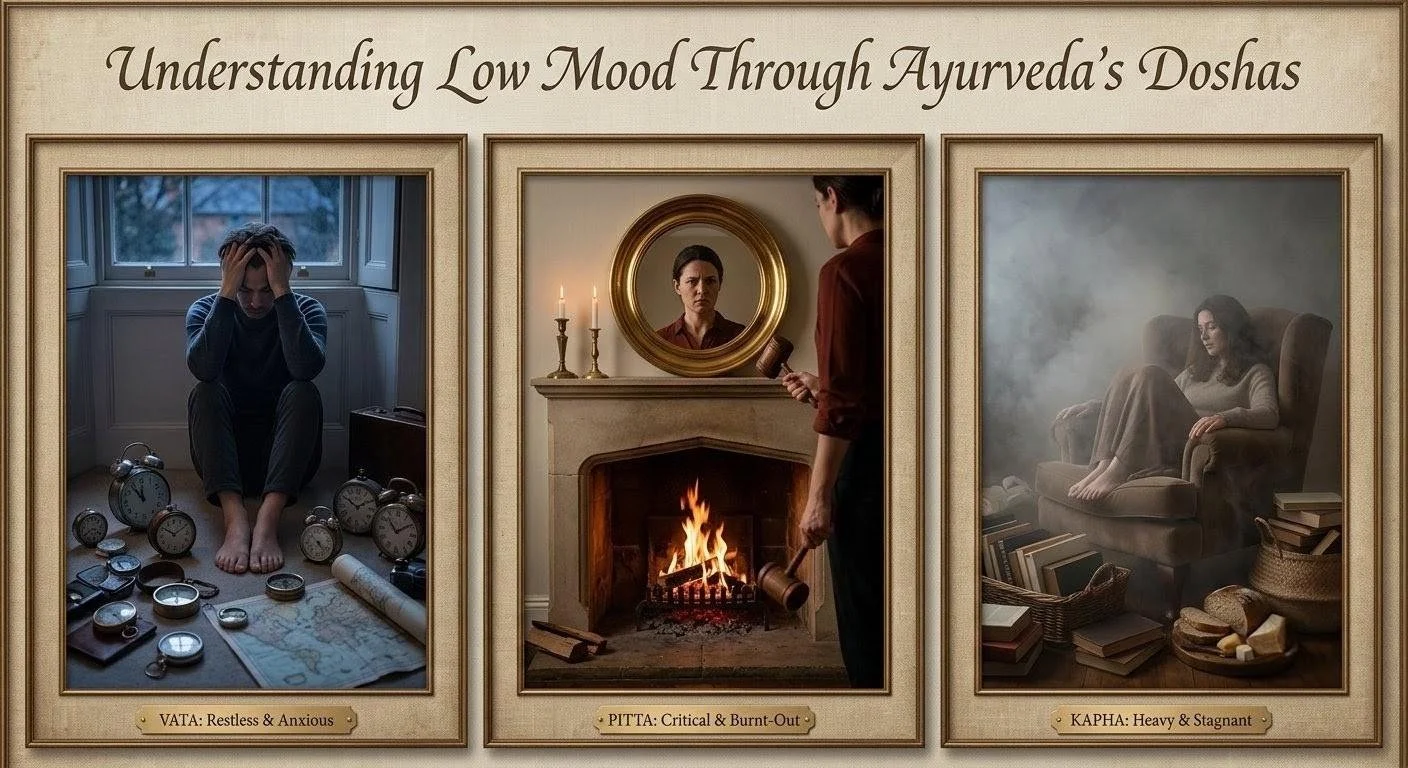
Depression does not show up as one single thing. It shows up as a unique pattern, and that pattern almost always points back to a deeper energetic imbalance. 🌿
In Ayurveda, we look at low mood through the lens of classical Ayurvedic scholarship rooted in texts like the Charaka Samhita (CHAH-rah-kah sahm-HEE-tah). We do not view a low mood as a fixed identity or a life sentence. We view it as profound information. The body, mind, and emotional layers are constantly communicating where an energetic block lives.
When imbalances manifest across these layers, they are ultimately rooted in stagnation, poor cellular circulation, and a reticence to move forward. This happens when Ama (AH-mah, the toxic byproduct of incomplete digestion or emotional stress) clogs our subtle micro-channels, preventing the smooth flow of Prana (PRAH-nah, life force). If our spiritual body is healthy and connected, depression cannot reside there, because the soul’s nature is unclouded light. But when life experiences and physical toxins accumulate, they heavily affect our emotional environment.
This is not about replacing the vital support of a therapist or a physician. If you are navigating depression, please keep that professional care in your corner. Ayurveda works beautifully alongside conventional support, not instead of it. What I want to offer here is a resourcing map: a way of understanding why low mood feels so radically different from person to person, and how a gentle first step back toward balance can look like.
You may be reading this because you are watching someone you love move through a heaviness you don’t know how to hold. Or you may be reading this because something in these words is quietly describing you. Both are welcome here. See if one of these patterns feels familiar, whether it’s a loved one’s or your own.
Vata-Dominant Depression: The Anxious, Scattered Kind
When Vata (VAH-tah, the air and ether principle of movement) is the primary energy out of balance, low mood arrives dressed in the frayed garments of anxiety, fear, phobias, deep insecurity, and helplessness. There is often an internal narrative of “I just can’t do it,” leading individuals to refuse help and alienate others. They often claim that others simply do not understand them, choosing to withdraw into dark spaces or a quiet corner.
The nervous system is on high alert, making them intensely bothered by noise and highly susceptible to emotional breakdowns. There is a powerful urge to escape. Sometimes this escape is sought through cannabis, or through a literal desire to travel and run away. If they cannot physically move locations, they might constantly rearrange furniture just to externalize their deep inner agitation. They suffer from insomnia, poor concentration, short memories, and potential weight loss. Yet, they possess a beautiful capacity for self-reflection, even if they currently feel entirely unable to do anything about it.
You might notice this pattern feels a bit like what contemporary polyvagal theory describes as a dysregulated nervous system cycling between fight-or-flight and a frozen shutdown. That is a modern scientific lens laid gently alongside our ancient one.
If This Sounds Like You
Maybe it’s the noise that feels unbearable lately. Maybe it’s the racing thoughts at 2am, or the urge to book a one-way ticket somewhere, anywhere, else. Maybe you’ve rearranged the furniture three times this month without quite knowing why. If so, please know this restlessness is not a character flaw. It is Vata asking, gently and insistently, for ground beneath your feet.
Ayurvedic Pathways to Balance:
Avoid Isolating Behavior: Leaving a Vata-dominant person to fully isolate tends to deepen the depression. The most supportive movement is drawing them back out softly, reminding them of how deeply connected and appreciated they are with others. If this is you, that same invitation applies. Let one trusted person back in, even in a small way.
Gentle pacing: You must move slowly and with immense kindness. Moving too fast or too forcefully can frighten or overwhelm a nervous system that is already fragile. Give yourself that same permission to move slowly.
Protect the Prana: When Vata is low or scattered, cells absorb nutrients with corrupted or depleted Prana. Protect your environment from electromagnetic stress, over-processed foods, and frantic rushing, which further fragments Vata.
Nourish Ojas (OH-jus): They require warm, grounding, smaller meals eaten more frequently. Introduce natural, whole-food sweetness (like dates or sweet juicy fruits) to build Ojas, the subtle, protective essence that cushions us from stress, while avoiding processed sugars.
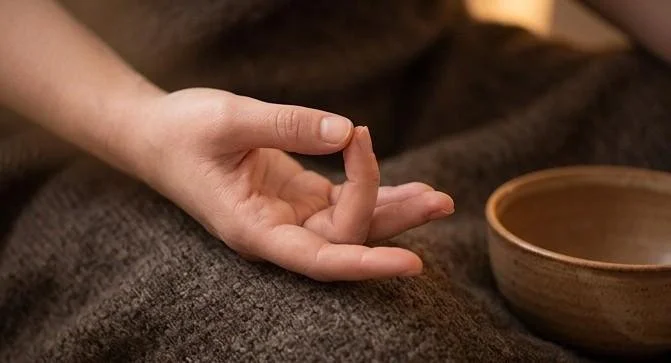
Daily Anchors: A consistent Dinacharya (din-ah-CHAR-yah, daily routine) acts as a beautiful anchor. Practice a warm sesame oil Abhyanga (abh-YUNG-gah, self-massage) from crown to sole, season cooked foods with mineral-rich Soma Salt, and hold Shuni Mudra (SHOO-nee MOO-drah, middle finger touching the thumb) to settle the scattered winds.
Pitta-Dominant Depression: The Self-Critical, Burnt-Out Kind
Pitta (PITH-tah, fire and water) depression does not usually collapse into quiet apathy. Instead, it frequently shows up as outward hostility, anger, impatience, and intolerance. Pitta individuals are far more likely to blame external circumstances or other people for their position (“It’s all their fault” or “If it weren’t for this or that, I’d be okay!”). They will often fiercely deny that they are even depressed, claiming instead that they are just going through a difficult time.
They may experience trouble falling asleep or wake up frequently during the night, though they can usually fall back asleep easily. To cope or escape, they may turn to alcohol or drugs. The internal heat often spills over into the physical body, manifesting as skin eruptions, hair loss, and an unusually strong, unpleasant body odor or sour sweat.
In SVA, we look closely at Sadhaka Pitta (SAH-dhah-kah PITH-tah), the subdosha seated in the heart that governs emotional processing, dopamine, and serotonin. When emotional stress or excess fire accumulates, the Sadhaka Pitta fire burns too high, mentally “overcooking” our experiences. Joy and equanimity are metabolized into judgment, cynicism, and burning burnout.
If This Sounds Like You
Maybe you’d call it “just stressed” or “just a rough patch,” not depression, even though the irritability has been simmering for months. Maybe you’re waking up at 3am with your mind already arguing with someone. Maybe a glass of wine has become two most nights. If any of this lands, the denial itself is worth noticing gently, not judging. Pitta burns hot enough to convince you everything is someone else’s fault, including your own exhaustion.
SVA Pathways to Balance:
Firm but kind boundaries: When interacting with a Pitta-dominant individual, you must be firm. Lovingly, but decisively look them in the eye and say, “We’re not going to do this anymore; we need to make a change.” Be mindful, as they can easily become hostile. If this is your own pattern, that same firm kindness can be turned inward: naming honestly, without self-attack, that something needs to shift.
Cooling the environment: Completely remove heating, aggravating foods, hot spices, intense sun exposure, and highly competitive environments.
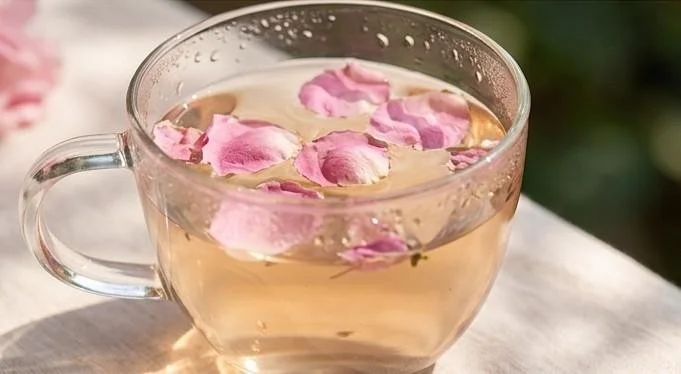
The Power of Rose: Rose is exceptionally cooling and enhances the beautiful coordination between the heart (Sadhaka Pitta) and the mind. Incorporating organic rose water spritzers, rose petal preserves, or organic rose tea is a profound way to soothe Pitta-style sadness and anger.
Soothing the liver: Incorporating sweet fennel freely into meals is an excellent, non-negotiable SVA tool for cooling the liver and protecting it from the heat of accumulated emotions.
True Sweetness: If they are craving sweets, it means they need more kindness and Ojas in their lives. Provide this through gentle, cooling, natural whole foods while avoiding refined sugars.
Calming practices: Self-massage with cooling organic coconut oil is ideal. Moon-gazing, slow evening walks, and using the deep, cool tones of crystal singing bowls can give the analytical mind a soothing frequency to rest upon.
Kapha-Dominant Depression: The Heavy, Foggy Kind
Kapha (KAH-fah, earth and water) depression is heavy, dense, and marked by absolute stagnation. They will tend to dig in their heels and simply refuse to move. In relationships, this stagnation can cause them to become cowardly, possessive, or jealous. They love to wallow in self-pity, using their current circumstances as a permanent excuse for not moving forward.
They frequently turn to emotional overeating for comfort, sink into deep laziness, and want to be micromanaged, or conversely, if they are in a leadership position, they will intensely micromanage others. Physically, Kapha stagnation often leads to fluid retention, bloating, and tinnitus or hearing issues, which are intimately connected to the kidneys.
Underneath the heaviness, whether it shows up as withdrawn silence or dramatic wallowing, there is an intense, stubborn resistance to change. Tarpaka Kapha (TAR-pah-kah KAH-fah, which protects and nourishes the brain) and Avalambaka Kapha (ah-vah-LAHM-bah-kah KAH-fah, which supports the heart) have settled into an absolute freeze, clogging the shrotas (physical channels) and nadis (energy channels). The couch and the pantry become a perceived safety net that the individual is terrified to give up.
If This Sounds Like You
Maybe getting off the couch feels like moving through wet sand. Maybe food has become the one comfort you can reach for, or maybe you notice yourself needing to control every detail around you, because moving forward feels impossible otherwise. If this is familiar, there is no shame in the heaviness. Kapha’s nature is to hold on tightly when it feels unsafe. The invitation is simply toward one small movement, not a dramatic overhaul.
SVA Pathways to Balance:
Do not feed the imbalance: It is vital that we do not engage with or validate the imbalance when speaking with them. We do not want to feed the disease through our interaction. Instead, we must speak to them and engage them from a baseline state of balance, showing them what is possible so they can release themselves from the trapped cycle. If this is your own experience, that same principle applies to your self-talk: notice the story of stuckness without feeding it further.
Remove the stickiness: Eliminate heavy, sticky foods, heavy dairy, and white, processed sugars from their diet entirely, as these clog the channels and worsen the mental fog.
Gentle, consistent activity: Encourage more physical movement, the practice of active gratitude, and intentional time spent in nature to get the internal currents moving again. Because pushing too hard triggers defensive resistance, small, consistent invitations work infinitely better than large demands, whether the invitation comes from someone else or from you, to you.
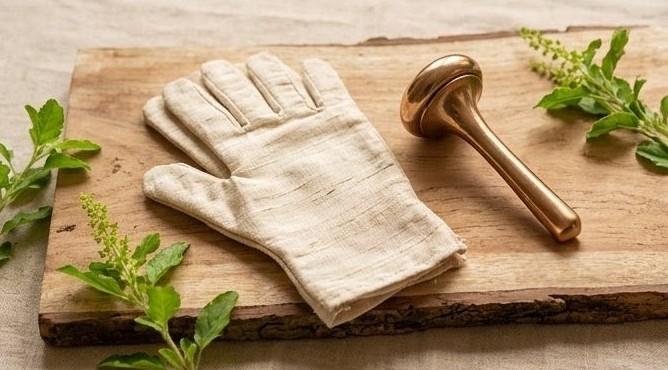
Stimulate the physiology: Traditional Garshana (gar-SHAH-nah, dry brushing) is the perfect bodywork because heavy oils will only add to Kapha’s unctuous qualities. Move stagnant lymph using a traditional Kansa wand, introduce invigorating botanical aromatics, and practice brisk morning movement or standing Qigong. Utilize bright, clear, higher metal frequencies from sound healing to wake up the heavy tissues of the mind.
The Real Invitation
None of this is about swapping a conventional medical label for an Ayurvedic one. It is about recognizing that the sadness, fear, fog, or burnout a loved one or you yourself are carrying has an identifiable energetic shape, and because it has a shape, it has room to shift. When we open the clogged channels, bring Vata back into its natural rhythm, cool an overheated Pitta, or gently stir a stagnant Kapha, the underlying environment has space to soften.
If you recognize your own current experience in one of these patterns, or perhaps in a blend of them, I would love to welcome you into a space of custom care. You do not have to carry this heavy weight alone, and you never have to choose between ancient ancestral lineages and contemporary wellness frameworks. There is plenty of room for both to support you
🍵💕
Fill your cup first,
Jennifer Misterka