
The Silent Storm: Addressing the UTI Crisis through SVA

In the current health landscape, a critical and often overlooked emergency is affecting post-menopausal women: the rise of aggressive, recurrent Urinary Tract Infections (UTIs) in women 65 and over. Recent clinical reports show that UTIs are no longer a simple annoyance; they are a leading cause of sudden hospitalizations and cognitive decline.
To solve this, we must look at the intersection of modern medical findings and the profound clinical insights of Shaka Vansiya Ayurveda (SVA), as taught by Vaidya Rama Kant Mishra and practitioners like Dr. Douglas Beech and Dr. Marianne Teitelbaum.
🌪️ The Modern Clinical Reality: A Different Kind of Danger
Modern health reports highlight three "red flags" that have changed the nature of this condition:
Atypical Symptom Presentation: For women in this Vata stage of life, the classic "burning" or "urgency" is often entirely absent. The primary symptoms are frequently sudden confusion, delirium, brain fog, or lethargy. These are often misdiagnosed as dementia or "old age," allowing the infection to reach the kidneys or bloodstream before treatment begins.
Antimicrobial Resistance (AMR): Decades of preventative antibiotic use have created resilient "super-strains." Chronic recurrence is now the norm because the bacteria have adapted to standard prescriptions.
The Microbiome Collapse: Post-menopause, the decline in estrogen shifts the urogenital pH to be more alkaline, extinguishing the protective bacteria that normally guard the urinary channels.
🌿 The SVA Perspective: Healing the Environment
In the SVA lineage, we don't just ask "which bacteria is present?" We ask, "Why is the internal environment so welcoming to them?"
1. The Liver-Kidney "Dump"
If the liver is overloaded with accumulated toxins from medications, chemicals, or poor diet, it "dumps" these acidic toxins into the kidneys. This triggers a Hepato-Renal Axis response: the liver's toxic load results in abrasive urine that irritates the bladder lining, creating the perfect inflammatory environment for bacteria to colonize.
2. The Obstruction of Apana Vayu
The downward-moving energy (Apana Vayu) is responsible for the elimination of urine. When this energy is blocked by heaviness or "ama" (toxic sludge), the physical flow is interrupted. When the bladder cannot empty fully, stagnant urine becomes the perfect breeding ground for bacteria.
3. The Nightshade Factor (Garvisha)
A primary clinical observation is the role of the nightshade family. Nightshades act as Garvisha—slow-accumulating toxins that clog the micro-channels (Srotas). More importantly, the alkaloids in nightshades can act as mild neurotoxins that "numb" the sensory nerves of the bladder. This numbing effect is a major reason why post-menopausal women experience incomplete emptying without realizing it.
⚠️ A Clinical Note on Bio-Individuality
While the SVA protocols below are powerful tools for supporting the urinary tract, Ayurveda is never a "one-size-fits-all" science. Every individual's constitution (Prakriti) and current state of imbalance (Vikriti) is completely unique. Depending on your specific situation, some of these foods, herbs, or transdermal creams may not be appropriate for you. It is always best to contact your own Ayurvedic Clinician to create a protocol tailored precisely to your body's needs.
🛠️ The SVA Protocol: Restoring the Flow
To restore the "intelligence" of the urinary system, we must open the channels and cool the inflammation without killing off the body’s friendly bacteria.
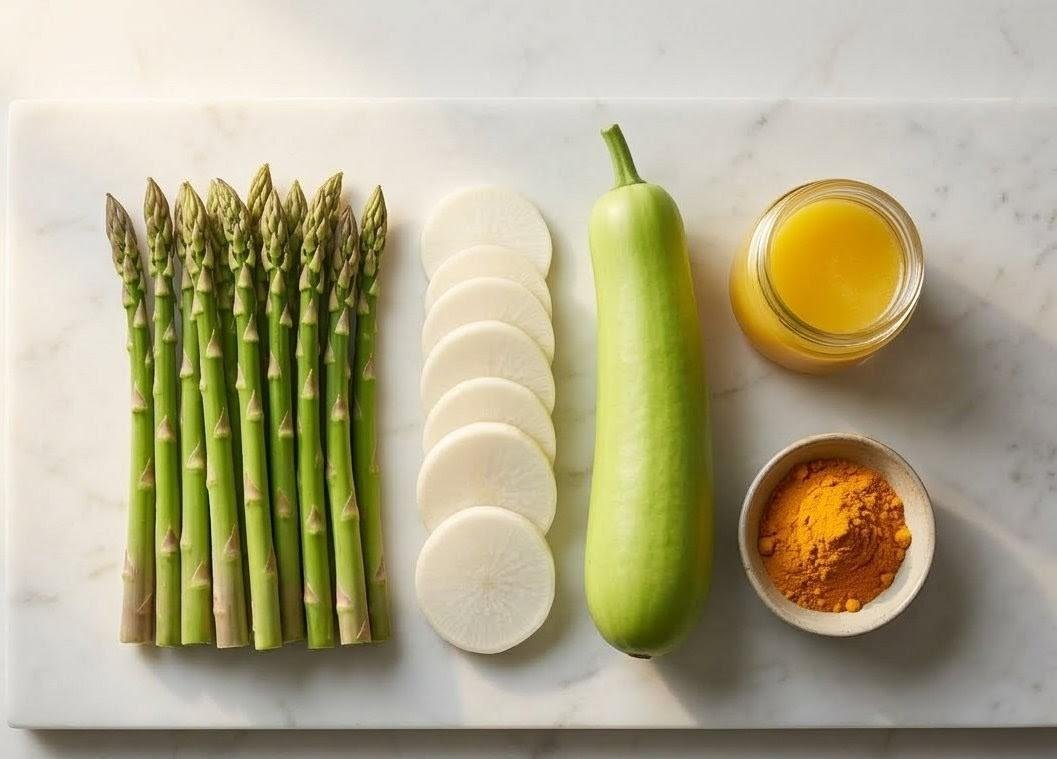
The "Srota-Shudhi" Diet: Focus on vegetables that act as biological brooms for the urinary tract. Asparagus tones the kidneys, Daikon Radish thins the bile to support the liver, and Long Bottle Gourd (Lauki or Opo Squash) provides deep cellular hydration to the bladder wall.
The Transdermal Marma System (The "Side Door"): To neutralize the acidic toxins (Ama Visha) before they dump into the bladder, we use SVA formulations like DGL Transdermal Cream. This bypasses a compromised digestive tract entirely. Application: Apply the DGL cream over the liver area or the lower spine, rubbing it gently in a circular motion 7, 14, or 21 times. Doing this morning and evening delivers the cooling intelligence of the herbs directly where they are needed most.
Prebiotic Lassi: A daily drink of 1 part fresh organic yogurt whisked with 4 parts room-temperature water helps restore the microbiome of the urogenital tract.
The Nightly Triphala Ritual: Taking Triphala with warm water 30 minutes before bed tones the colon and ensures the downward flow of Apana Vayu is strong enough to fully empty the bladder the next morning.

🚫 The Nightshade-Free Pantry Guide
Because nightshades are a major culprit in clogging the urinary channels and numbing the bladder, removing them is a critical step for women struggling with recurrent UTIs. Nightshades include potatoes, tomatoes, eggplant, and all peppers (including bell peppers, jalapeños, cayenne, and paprika).
Here are the smart SVA swaps to keep your meals flavorful while keeping your channels clear:
1. Swap White Potatoes for Sweet Potatoes, Yams, or Taro Root
White potatoes contain "freezing" alkaloids that slow down cellular communication. Sweet potatoes provide grounding satisfaction without clogging the micro-channels.
2. Swap Tomatoes for a Blend of Beets, Carrots, and Lime
Tomatoes are highly acidic and "scratch" the bladder lining. Blending cooked beets and carrots with a squeeze of fresh lime creates a "No-Mato" sauce that mimics traditional sauce while actively supporting liver health.
3. Swap Paprika and Cayenne for Fresh Ginger, Black Pepper, or Cumin
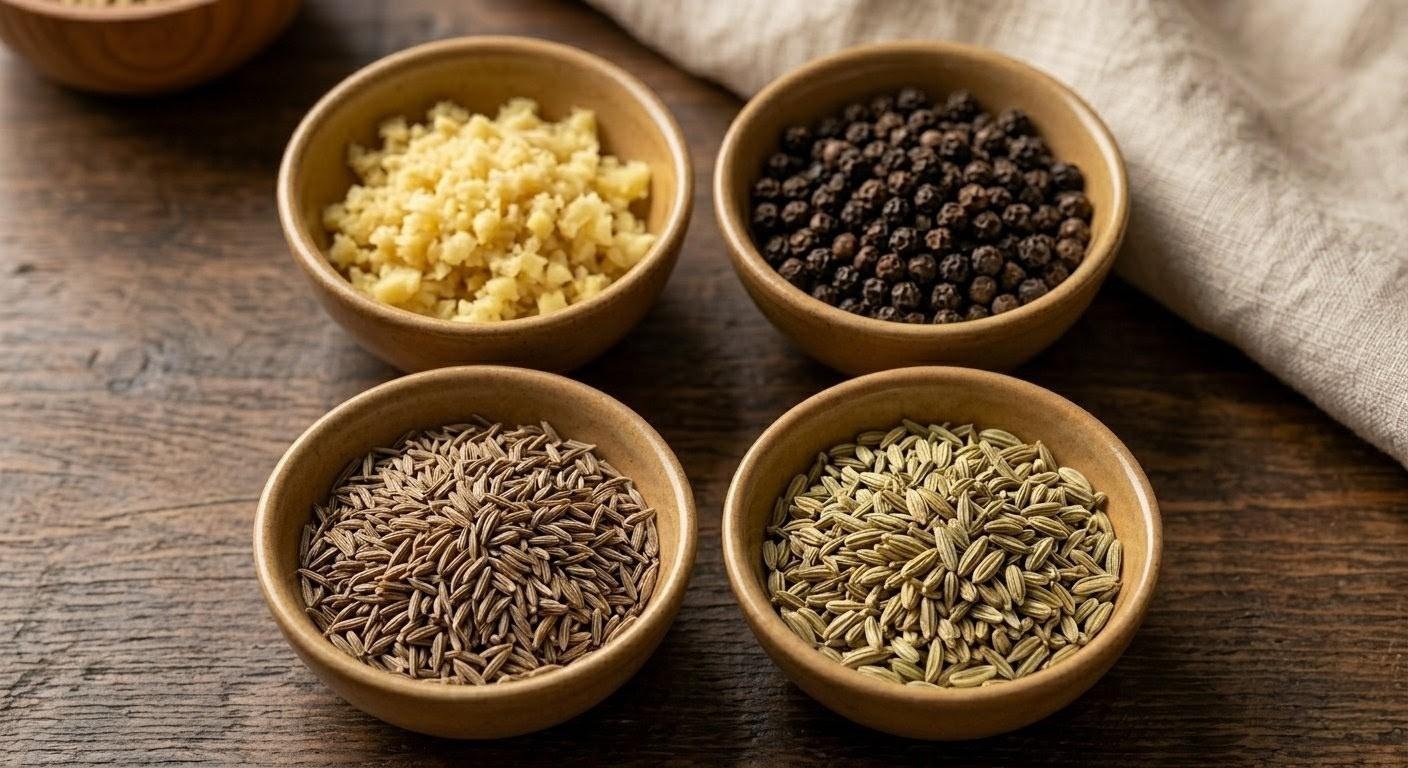
Paprika is a hidden nightshade that provides a sharp, acidic heat that irritates the urinary tract. Ginger, black pepper, and cumin kindle your digestion safely without the inflammatory "burn."
4. Swap Bell Peppers for Fennel Bulb or Celery
If you miss the crunch of peppers, fennel and celery are perfect replacements. They act as natural diuretics, helping the kidneys flush out seasonal toxins efficiently.
Hidden Traps to Watch For:
Gluten-Free Blends: Often contain potato starch.
Broths & Processed Meats: Often colored with tomato paste or paprika (sometimes just labeled as "Spices").
Supplements: Check that your vitamins don't use potato starch as a binder.
By addressing the root causes—the toxic dumping from the liver and the clogging of the channels—we can help reclaim our health, our cognitive clarity, and our vitality.